
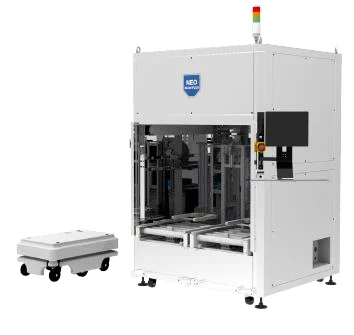
Incoming material
Neotel incoming material station
Registering and labelling incoming reels.
Discuss material requirements →Equipment category
Equipment for receiving, storing, supplying and counting SMD component reels.
Start with your material flow, then discuss suitable equipment for each step.
After production, the remaining quantity is counted and the reel returns to storage for the next job. Production remains your process.
Incoming reels are identified and labelled.
Reels are placed in organised storage.
Reels are picked and supplied to your line.
Your line uses components in production.
Your productionThe remaining components are counted.
Remaining reels return to step 02 Store.
Explore equipment for receiving, storage, reel supply and counting. The selection depends on your reels, volumes and existing systems.
Incoming material
Registering and labelling incoming reels.
Discuss material requirements →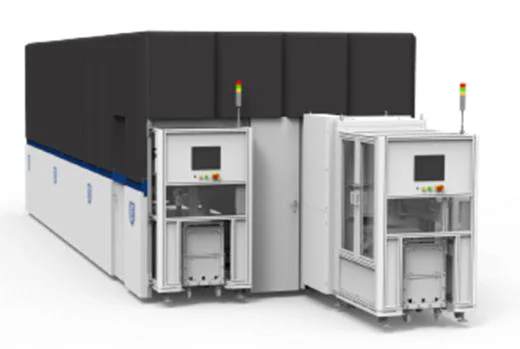
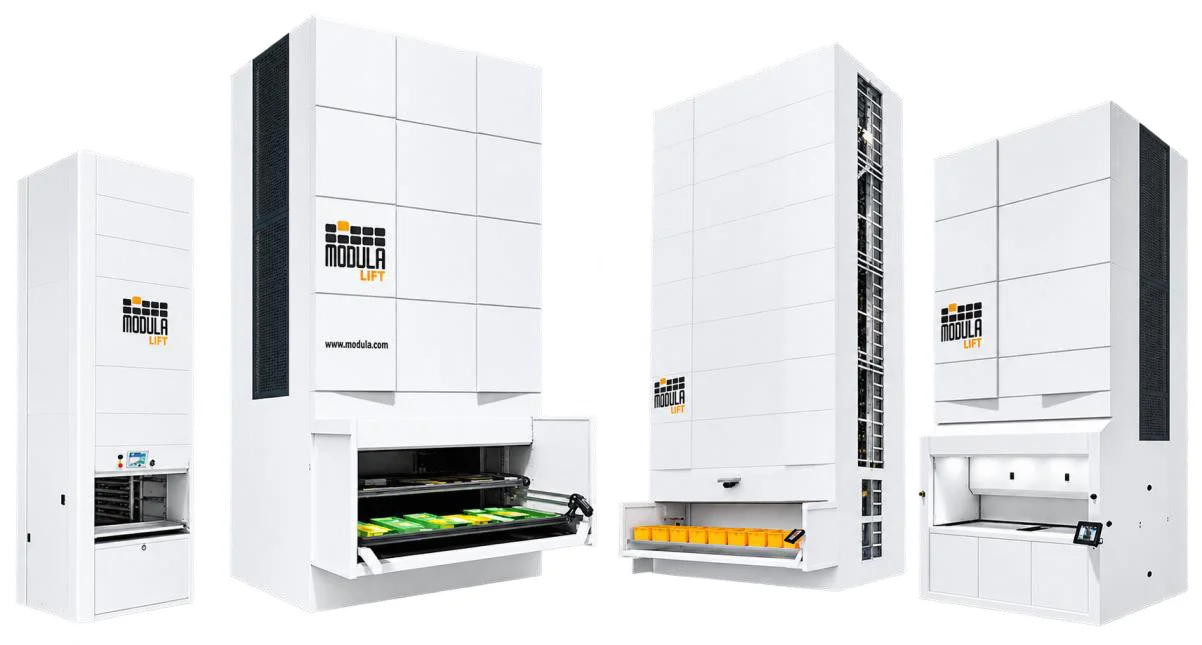
Storage
Automated reel storage in the context of your material flow.
View equipment →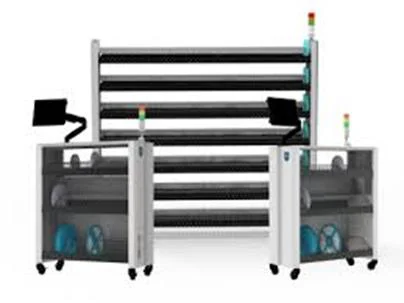
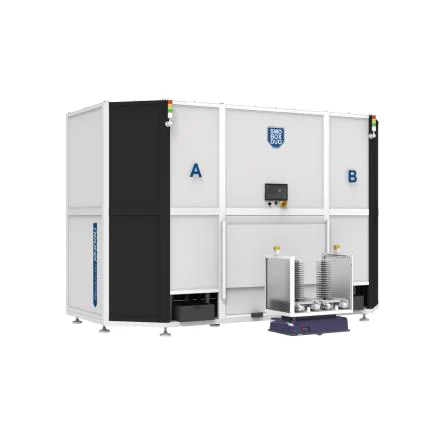
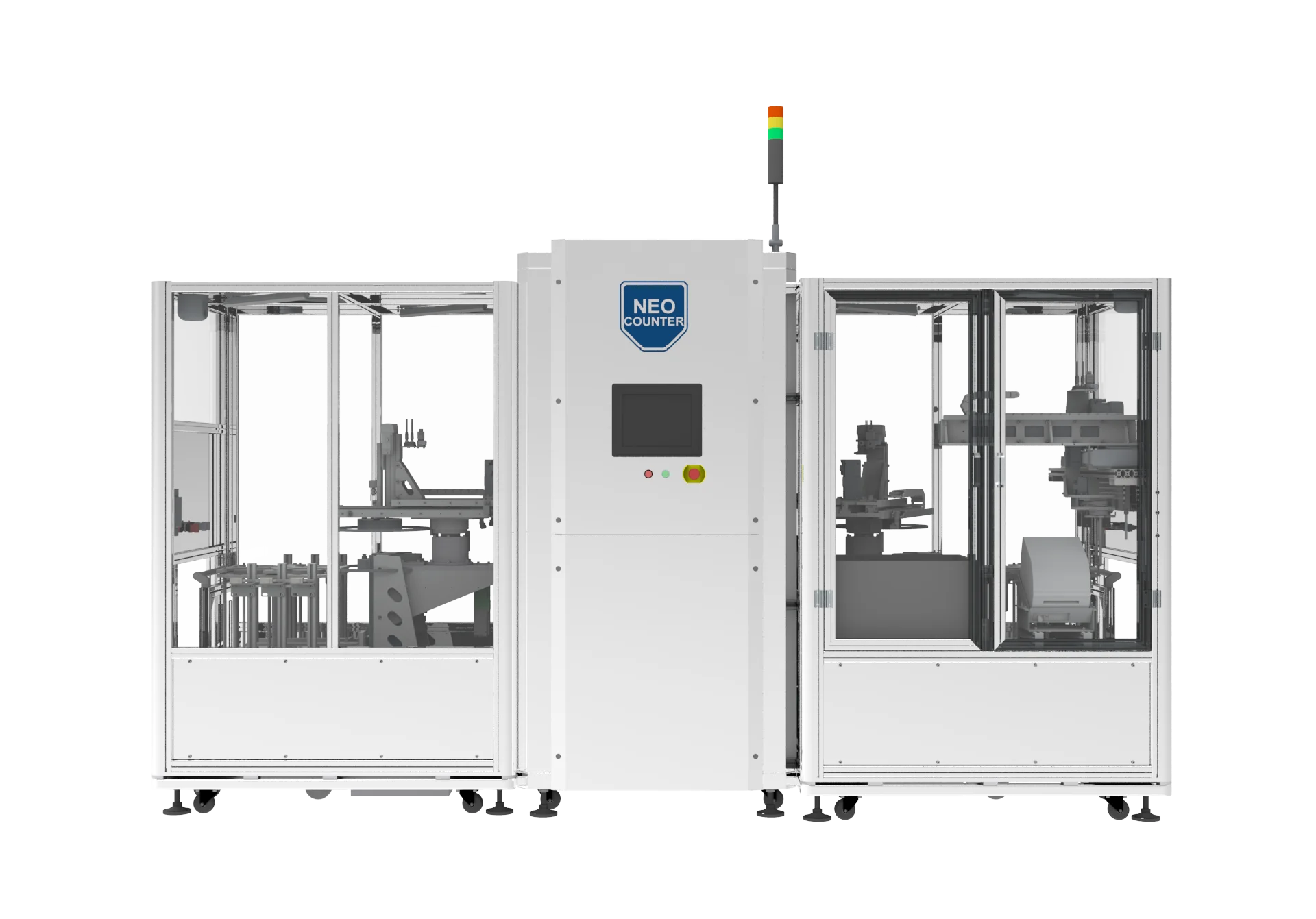
Counting after production
Automated inline X-ray counting of components on SMT reels.
View equipment →Assess your storage workflow
Compare the same tasks and material volume before and after a possible change. Enter your own assumptions.
Example values – replace with your operating figures.
The starting scenario is illustrative only – not SMT/Neotel operating data or guaranteed savings.
Add up hours across all involved staff and shifts once. The total may exceed 24 hours per day.
Include installation and integration in the investment. Do not count renting and purchase twice. Blank means unknown; 0 explicitly means no cost.
Capacity value is not guaranteed cash savings. Payroll costs may remain unchanged. Suitability and assumptions need checking for your process.
Discuss your storage workflowThe calculation stays in this browser and is not saved or passed to the inquiry.
Released hours H = (hours today − hours afterwards) × working days. Capacity value V = H × fully loaded hourly cost. Include employer costs and relevant overheads in the rate, and all remaining handling in the future workload.
With explicitly entered annual additional costs C: N = V − C. With investment I also entered and N > 0: months = 12 × I / N. Missing costs are not treated as 0. Negative results remain visible.
Simplified calculation assuming constant annual workload. Excludes interest, discounting, residual values and ramp-up. This is not cash-flow payback evidence or a renting-versus-buying comparison.
Discuss a single unit or its role in your line. Prices, availability, integration and support scope are confirmed in your proposal.
Start with the specific bottleneck in your material flow.
What volumes do you handle? Where do you lose time? Which steps would you like to improve?